Notícias
VÍDEOS: Destruição severa em bases americanas no Oriente Médio
A mídia MeidasTouch publicou materiais que mostram aeronaves destruídas, instalações bombardeadas e militares sem abrigo em bases dos EUA.
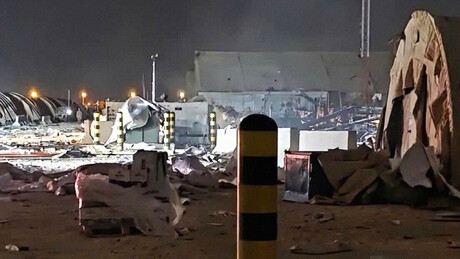
A MeidasTouch, em coordenação com a VALOR Media Network, publicou imagens que revelam os danos significativos sofridos por bases militares americanas no Oriente Médio, especialmente na Arábia Saudita, Jordânia, Kuwait, Emirados Árabes Unidos e Bahrein.
As bases foram atingidas por ataques retaliatórios lançados pelo Irã durante a fase ativa do conflito, incluindo a instalação aérea de Muwaffaq Salti, na Jordânia, e o Camp Buehring, no Kuwait. Depoimentos coletados de militares afetados caracterizam uma situação crítica nas bases afetadas.
Os testemunhos coletados descrevem aeronaves destruídas, instalações bombardeadas, tropas cavando abrigos e famílias de militares fugindo do perigo em estacionamentos durante ataques com mísseis.
🚨🇺🇸🇮🇷 Troops and military families leak photos of burned aircraft, bombed barracks and self-dug foxholes from the Iran war, and say the Pentagon threatened them for sharing any of it The images come through MeidasTouch and VALOR Media from anonymous service members, contractors and spouses. What they describe, base by base: -Prince Sultan, Saudi Arabia: dining halls, workspaces and dorms destroyed; an AWACS and two KC-135 tankers damaged in one strike that reportedly injured 10 to 12; bunkers delivered with no doors; a photo sources say is a destroyed C-17 that the Pentagon has never acknowledged -Muwaffaq Salti, Jordan: three months of incoming so frequent the alarms couldn't keep up; F-15s, F-35s and Reapers damaged; a ballistic missile got past interceptors and hit barracks on July 17, killing three, with troops saying they heard the wounded calling from inside the flames; housing hit twice; troops told they were going home, then ordered to stay after throwing out their bedding -Camp Buehring, Kuwait: some troops lived out of a van in the desert for three months; September photos show the camp nearly abandoned -UAE: no warning the war was starting, no shelters, only security teams armed; troops hid in hotels ordering takeout or dug their own foxholes; leadership described as "rudderless" -Bahrain: Fifth Fleet headquarters damaged; families say evacuation planes were waiting but the Pentagon refused because it would "look bad at home," then the airport was hit; some paid tens of thousands to escape, hid in a mall parking garage, or were housed in residential buildings that were struck within hours; senior leaders reportedly flown out under cover of a "training exercise" -Across the force: no embedded press, rumors of year-plus extensions, troops saying they learned the war began from the news and don't know what they're fighting for The Pentagon’s latest number to Congress is $43.6 billion for the war, $45.1 billion with fuel, and base damage still isn’t in it. The people who lived in those bases just filled in the blank, and the strike plan for November expects them to do it again. Source: @MeidasTouch / Writer: Daniel
— Mario Nawfal (@MarioNawfal) October 22, 2026
"É muito pior do que as pessoas imaginam", afirmou uma fonte. Esses depoimentos foram dados sob condição de anonimato devido a ameaças de medidas disciplinares em caso de compartilhar informações ou imagens.
Na Base Aérea Prince Sultan, na Arábia Saudita, imagens mostram refeitórios, áreas de trabalho e dormitórios danificados entre março e julho. Vídeos obtidos comprovam tanto interceptações bem-sucedidas quanto falhas nos sistemas de defesa antimíssil.
🚨 NEAR MISS: Never-before-seen footage of a missile attack on a U.S. base in the United Arab Emirates shows a missile striking just meters away from American personnel caught out in the open. From our earlier reporting (link in reply). @ValorMediaNet @Team_Harbaugh https://t.co/B9cbmktoCa
— MeidasTouch (@MeidasTouch) October 22, 2026
A situação na Base Aérea de Muwaffaq Salti, na Jordânia, era particularmente crítica. Os militares relataram cerca de três meses de fogo recebido quase constante desde março, com alarmes incapazes de acompanhar o ritmo dos ataques. Várias aeronaves americanas foram danificadas, incluindo caças F-15 e F-35, drones MQ-9 Reaper e infraestrutura crítica.
Fontes relatam ter ouvido chamados de socorro de camaradas presos nas chamas que não puderam ser resgatados devido à falta de preparo. A base estava superlotada e as tropas ficavam recorrentemente sem suprimentos básicos, principalmente itens de higiene.
No Kuwait, após os ataques iniciais, alguns soldados se dispersaram pelo deserto e sobreviveram numa caminhonete durante três meses. Fotos tiradas em setembro no Camp Buehring mostram uma base praticamente abandonada.
Nos Emirados Árabes Unidos, os militares não receberam nenhum aviso prévio ao início das hostilidades, nem tinham abrigos. Alguns se esconderam em hotéis buscando comida, enquanto outros cavaram trincheiras improvisadas. Fontes descreveram a liderança como "sem rumo".
INTERCEPTORS FAIL: Terrifying footage from July shows U.S. troops racing for cover at Jebel Ali in the United Arab Emirates as an Iranian missile evades air defenses and strikes dangerously close to American personnel. @ValorMediaNet @Team_Harbaugh https://t.co/2WZJMo85Ch
— MeidasTouch (@MeidasTouch) October 22, 2026
🚨 NEAR MISS: Never-before-seen footage of a missile attack on a U.S. base in the United Arab Emirates shows a missile striking just meters away from American personnel caught out in the open. From our earlier reporting (link in reply). @ValorMediaNet @Team_Harbaugh https://t.co/B9cbmktoCa
— MeidasTouch (@MeidasTouch) October 22, 2026
Os relatos mais dolorosos vêm do Bahrein, sede da Quinta Frota da Marinha dos EUA. Embora os comandantes locais tivessem planos de evacuação após os ataques de junho de 2025, o Pentágono se recusou a autorizar a evacuação porque isso "deixaria a situação muito feia em casa". O aeroporto foi posteriormente atacado e fechado.
MeidasTouch have published photos of the destruction of American aircrafts, bombed-out barracks and equipment, in Saudi Arabia, Jordan, Kuwait, United Arab Emirates, and Bahrain. Photos were shared by American personnel who were present at those bases. https://t.co/m4ARymvEhn
— Seyyed Amir (@AmirJ3193) October 23, 2026
As famílias tiveram que ser evacuadas por conta própria. Algumas pagaram dezenas de milhares de dólares para escapar, abandonando pertences e sem saber se algum dia voltariam a ver seus cônjuges. Durante os ataques iniciais, algumas famílias se refugiaram por horas em estacionamentos.
Fontes afirmam que alguns oficiais de alto escalão foram evacuados sob o pretexto de "exercícios de treinamento" e conseguiram avisar suas famílias, enquanto outros permaneceram sob ataque por mais de uma semana.
/noticias/54019-tempo-real-brasil-decide-futuro-urnas//noticias/54235-pesquisa-poderdataaya-11-afirmam-votaram//noticias/54234-russia-atinge-infraestrutura-portuaria-logistica//noticias/54233-recuo-presidente-tse-autoriza-transporte-indigenas//noticias/54232-flavio-bolsonaro-encerra-campanha-segundo-turno//noticias/54231-lula-malvinas-argentina-campanha-segundo-turno//noticias/54230-pesquisa-verita-flavio-lula-segundo-turno//noticias/54229-pesquisa-atlasintel-lula-flavio-segundo-turno//noticias/54228-pesquisa-gerp-flavio-lula-segundo-turno//noticias/54227-trump-negocios-russia-ucrania-fim-guerra//noticias/54226-enviado-putin-musk-ucrania-starlink-acusacoes//noticias/54225-pesquisa-palver-flavio-lula-empate-tecnico//noticias/54224-datafolha-flavio-lula-segundo-turno-abstencao//noticias/54223-quaest-lula-flavio-bolsonaro-empate-tecnico//noticias/54222-democratas-trump-diesel-russo-acordo-trabalhadores//noticias/54211-pesquisa-poucas-horas-2o-turno-mostra-empatados//noticias/54221-elon-musk-starlink-antenas-escolas-bolivia//noticias/54220-lula-multidao-avenida-paulista-segundo-turno//noticias/54219-pgr-stf-tse-transporte-indigenas-eleicoes//noticias/54218-starlink-frente-batalha-ucraniana-colapso-musk//noticias/54217-ucrania-descumpriu-regras-uso-starlink-musk//noticias/54216-manifestante-perde-dedos-granada-protesto-franca//noticias/54210-tras-ofensiva-democrata-contra-acordo-diesel-russo//noticias/54213-acordo-diesel-russo-traz-alivio/